Evening After School With Mizuki Is Quietly Taking Over the Indie Scene
There’s a certain magic that only happens after classes end. Hallways empty, sunlight turns gold, and the world slows down just enough for real conversations to start. That exact vibe is what makes Evening After School With Mizuki hit different. At first glance, it might look like just another anime-style visual novel, but spend even ten minutes with it and you realize this isn’t just a game. It’s a mood, a narrative experiment, and honestly, a low-key emotional rollercoaster disguised as a casual after-school hangout.
Let’s break down why this title is catching attention among story-driven game fans and why it’s way more interesting than its soft aesthetic suggests.
A Story That Feels Personal Instead of Scripted
Most visual novels follow a predictable formula: meet characters, pick dialogue, unlock endings. This one flips that formula by making the conversations feel oddly natural. The writing doesn’t scream “video game dialogue.” It feels like actual after-school talk you’d overhear if you stayed late on campus.
Mizuki isn’t written like a trope. She’s not just “the shy girl” or “the mysterious classmate.” She reacts to your choices with nuance. Sometimes she dodges questions. Sometimes she overshares. Sometimes she says nothing at all, and those silences say more than any line of text could.
The pacing is slow on purpose. Instead of dramatic twists every five minutes, the game builds tension through subtle emotional shifts. One minute you’re discussing homework. Next minute you’re talking about dreams, regrets, or things she’s never told anyone. That slow burn storytelling is rare in mobile narrative games, which usually rush players toward flashy plot points.
Minimal Gameplay, Maximum Atmosphere
If you’re expecting action mechanics or fast reflex challenges, this isn’t that kind of experience. Gameplay is intentionally simple: choose responses, observe reactions, and shape the tone of the evening. But simplicity here is a design strength, not a limitation.
Because mechanics stay minimal, your attention locks onto the atmosphere. The background art, the lighting transitions, and the soundtrack all work together to create a sense of quiet intimacy. It’s the kind of game you don’t just play—you sink into it.
Even the UI design avoids distractions. No clutter. No unnecessary icons. Just text, character art, and subtle audio cues. It respects your focus, which is surprisingly rare in modern mobile titles that usually overload players with notifications and menus.
The Character Writing Is Doing Heavy Lifting
Let’s be real: story-driven games live or die by character writing. And Mizuki carries this one hard.
She feels layered in a way that suggests the writers actually understand human behavior. Her dialogue shifts depending on tone, timing, and context. If you’re sarcastic, she might match it. If you’re sincere, she softens. If you push too hard, she closes off. That responsiveness gives the illusion you’re not reading a script—you’re interacting with a person.
What’s especially interesting is how the game handles vulnerability. Instead of dramatic confessions, it uses small admissions. Tiny truths. Offhand comments that hint at deeper feelings. That restraint makes emotional moments land harder because they don’t feel staged.
Branching Paths That Actually Matter
Plenty of games advertise “choices matter,” then funnel you into the same ending anyway. Here, your decisions genuinely shift the tone and outcome of the story.
Some choices affect trust. Others affect mood. A few even change entire scenes later on. The branching isn’t just cosmetic. It alters how Mizuki perceives you, which changes how she speaks, reacts, and reveals things about herself.
Replay value comes from curiosity rather than completionism. You don’t replay to collect endings. You replay because you wonder, “What if I had answered differently?” That subtle psychological pull is exactly what strong narrative design aims for.
Visual Design That Understands Restraint
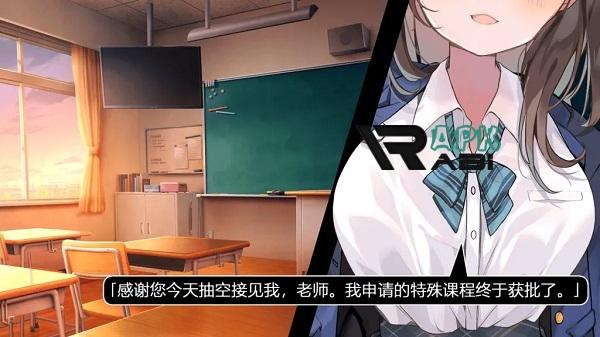
The art style leans into soft color palettes and gentle shading. Instead of flashy animation, it uses stillness to its advantage. Character expressions change slightly rather than dramatically, which makes each shift more noticeable.
Lighting also plays a major role. Early scenes glow with late-afternoon warmth. As time passes, tones cool into evening blues. That progression mirrors the emotional arc of the conversation, quietly reinforcing the narrative without spelling it out.
It’s proof that you don’t need high-budget graphics to create immersion. You just need artistic direction that knows when to hold back.
Sound Design That Sets the Mood Without Stealing Attention
The soundtrack doesn’t try to dominate the experience. It stays soft, almost background-like, which is exactly why it works. Piano notes fade in and out. Ambient sounds fill silence. Sometimes there’s barely any music at all.
That restraint keeps focus on dialogue while still shaping emotional tone. When music does swell, you notice instantly. It feels intentional rather than constant.
Sound effects are subtle too. Chair movements, distant hallway echoes, faint evening breeze. These details might seem minor, but together they create presence. You don’t just read scenes. You feel like you’re sitting there.
Why This Game Stands Out in the APK Scene
Mobile visual novels often struggle with two problems: shallow writing and aggressive monetization. This title sidesteps both. It prioritizes narrative quality over gimmicks. There’s no pressure to rush. No intrusive pop-ups breaking immersion every few minutes.
That design philosophy alone sets it apart. It feels like it was made for players who actually care about story rather than just tapping through text.
Another thing worth noting is how it respects player intelligence. It doesn’t overexplain plot points or emotions. It trusts you to read between lines. That kind of storytelling confidence is rare, especially in smaller indie-style releases.
Themes That Hit Harder Than Expected
Underneath its calm surface, the story quietly explores heavier themes:
-
Loneliness hidden behind normal routines
-
The pressure of expectations
-
Fear of being truly known
-
The strange comfort of late-day conversations
These ideas aren’t presented as dramatic monologues. They slip into dialogue naturally, the way real people reveal things when they feel safe. That realism makes the experience feel oddly personal.
You might start playing out of curiosity. You keep playing because something about it feels relatable.
The Psychology of After-School Settings
There’s a reason the after-school setting works so well narratively. It’s a transitional time. The day’s responsibilities are done, but night hasn’t started yet. Psychologically, that window often makes people more open, reflective, and honest.
The game uses that atmosphere as its emotional engine. Instead of dramatic plot devices, it relies on timing and environment. The setting itself becomes part of the storytelling, shaping how conversations unfold.
That’s a level of thematic cohesion many larger titles fail to achieve.
Who This Game Is Actually For
Not everyone will vibe with it. And that’s intentional.
You’ll probably love it if you:
-
Enjoy slow-paced storytelling
-
Care more about dialogue than action
-
Like character-focused narratives
-
Appreciate subtle emotional writing
You might struggle with it if you:
-
Need constant gameplay mechanics
-
Prefer fast plots with big twists
-
Want competitive or skill-based challenges
It’s less of a “game” in the traditional sense and more of an interactive story experience. Think of it as a digital conversation rather than a challenge to win.
Indie Energy Without Feeling Amateur
One of the most impressive things about the title is how polished it feels despite its minimalist structure. The interface is smooth. Dialogue transitions are clean. Scene changes feel intentional. Nothing about it screams unfinished or rushed.
That level of polish suggests careful design choices rather than big resources. It shows what can happen when creators prioritize cohesion instead of scale.
In a market flooded with loud, fast, attention-grabbing games, something quiet and deliberate ends up standing out more.
The Quiet Power of Subtle Storytelling
A lot of modern games chase spectacle. Explosions, plot twists, dramatic reveals. This one goes the opposite direction. It builds emotional weight through small moments. A pause before a reply. A hesitant answer. A topic change that feels slightly forced.
Those details mimic real conversation patterns. And because they feel real, they stick with you longer than dramatic scenes would.
Subtle storytelling isn’t easy to pull off. It requires confidence, restraint, and strong writing. This game proves that when done right, quiet moments can be more powerful than loud ones.
Final Thoughts: A Game That Feels Like a Memory
Some games entertain you. Some challenge you. A rare few linger in your mind like a half-remembered evening. This is one of those rare ones.
It doesn’t try to overwhelm you with features. It doesn’t try to impress you with spectacle. Instead, it invites you into a calm, intimate space and lets the story unfold at its own pace.
That approach won’t appeal to everyone. But for players willing to slow down and actually listen, it delivers something surprisingly meaningful: a conversation that feels real, a character who feels human, and an experience that feels less like gameplay and more like a memory you somehow lived yourself.
And honestly? In a gaming world obsessed with bigger and louder, choosing to be quiet might be the boldest move of all.











1. This is the safest site on the Internet to download APK. 2. Don't ask about the Play Protect warning, we've explained it well, check here. 3. Do not spam, be polite and careful with your words.